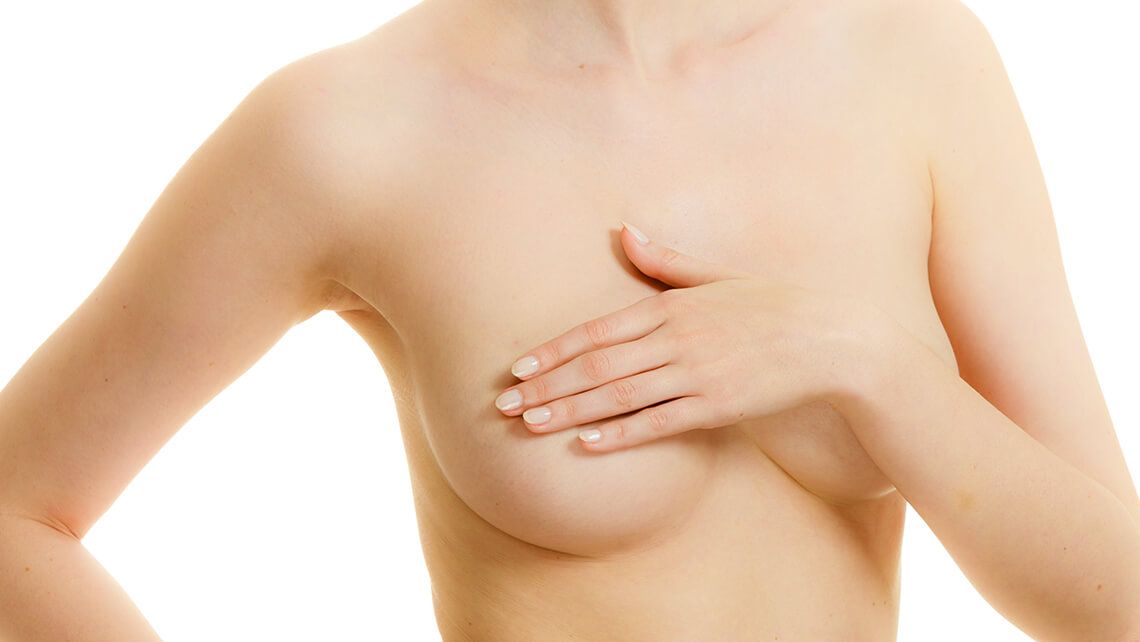
In short
Breast reduction removes excess breast tissue, fat and skin to make the breasts smaller and lift them. The nipple is moved higher. It takes 2–4 hours under general anaesthesia. Scars are permanent but fade over time; in most patients the operation markedly reduces back and neck pain.
- Operation time
- 2 – 4 hours
- Anaesthesia
- General
- Hospital stay
- 1 – 2 nights
- Back to work
- 1 – 2 weeks
Who is it for?
Women whose large breasts cause back, neck and shoulder pain, bra-strap grooves, skin irritation under the breast or difficulty exercising.
How is it performed?
Excess tissue and skin are removed and the breast is reshaped while the nipple stays attached to its blood supply and is moved to a higher position. Scars run around the areola, vertically down and often in the breast fold.
Recovery
A support bra is worn for 4–6 weeks. Most people return to work after 1–2 weeks and to heavy exercise after 6 weeks.
Frequently asked questions
Can I breastfeed after breast reduction?
Many women can, but breastfeeding capacity may be reduced.
Will my breasts grow again?
Significant weight gain, pregnancy or hormonal changes can increase breast size again.
Is nipple sensation affected?
Temporary reduction is common; it usually recovers over months.
Can liposuction alone reduce the breasts?
Only when the breast is mostly fatty, and it cannot correct sagging.
Will my back pain improve?
Most patients report marked relief from back, neck and shoulder pain.
Are the scars permanent?
Yes, but they fade and soften over 12–18 months.
How long should I stay in Ankara?
About 7–10 days.
When can I exercise?
Light exercise after 3 weeks, heavy exercise after 6 weeks.
Is there an age limit?
Surgery is done after breast development is complete.
Do I need a mammogram first?
Depending on your age and history, a mammogram or ultrasound may be requested.
This page was prepared by Prof. Dr. Serdar Öztürk. Last updated: .
 Breast
 Breast
 Breast